Vitz
as from Rs.965,000
TOLL FREE (230) 800 1548










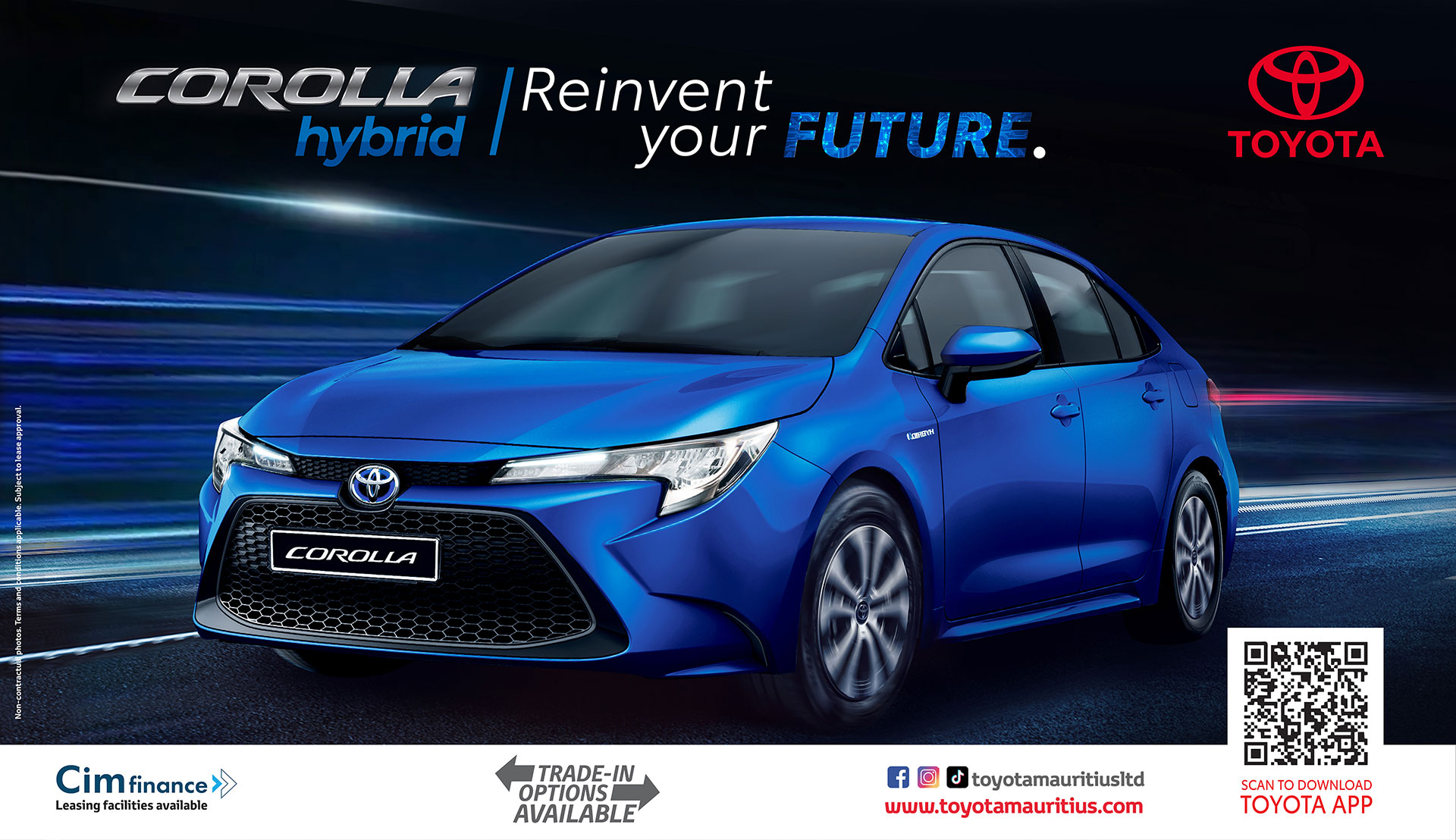
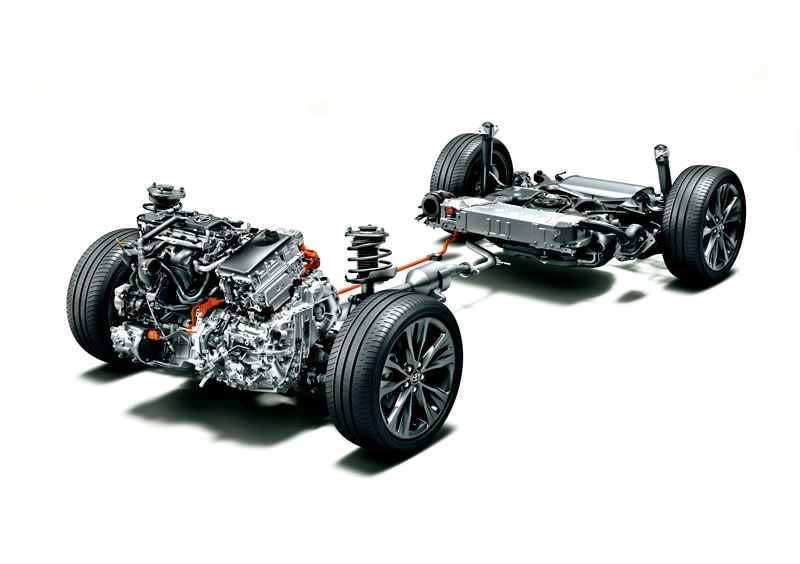
Toyota's commitment to advancing hybrid technology is evident through its Toyota Hybrid Synergy Drive (THS) system, which embodies the brand's dedication to innovation and sustainability. The integration of electric and petrol power sources in the hybrid system enhances both performance and efficiency, delivering a driving experience that is not only powerful but also environmentally friendly.
The term "synergy" in Hybrid Synergy Drive underscores the seamless collaboration between the electric motor and petrol engine, resulting in optimized power delivery and fuel consumption. This synergy enables Toyota to achieve remarkable advancements in driving pleasure, performance, fuel economy, emissions reduction, and noise reduction.
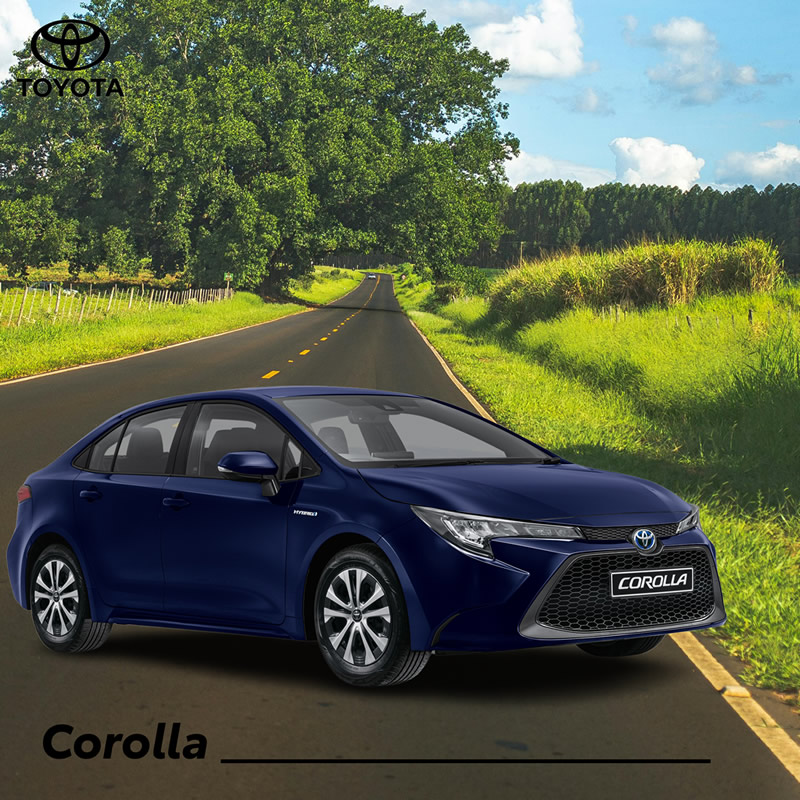
Moreover, the continuous research and development efforts undertaken by Toyota contribute to the evolution of hybrid technology, as evidenced by the increased power of the electric motor in newer generations of hybrid vehicles. This enhancement allows for a higher proportion of electric power usage, thereby further improving overall performance and efficiency. Furthermore, our hybrid drivetrain technology has consistently kept us ahead of the curve. With the Corolla Hybrid, the strategically positioned Lithium-ion battery ensures optimal weight distribution and handling, delivering enhanced power and fuel efficiency.
As a result, Toyota's commitment to innovation and sustainability not only benefits customers worldwide by providing appealing products and services but also contributes to a greener and more sustainable future for all.
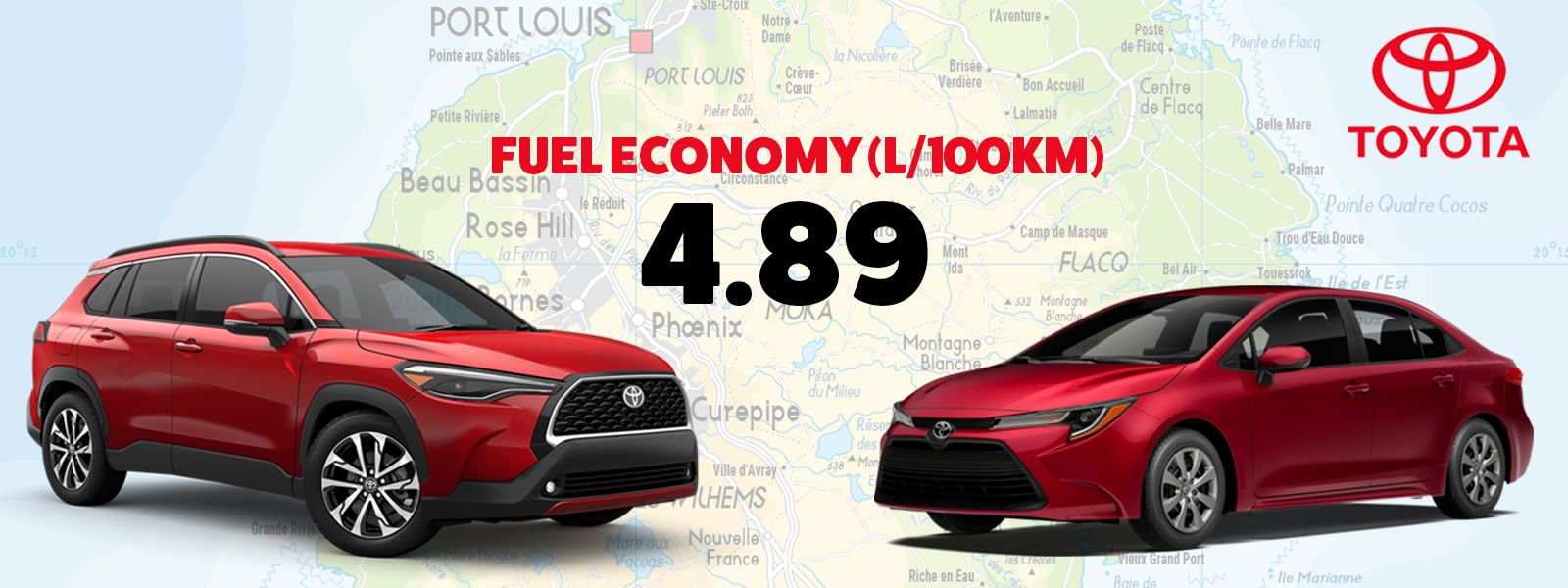
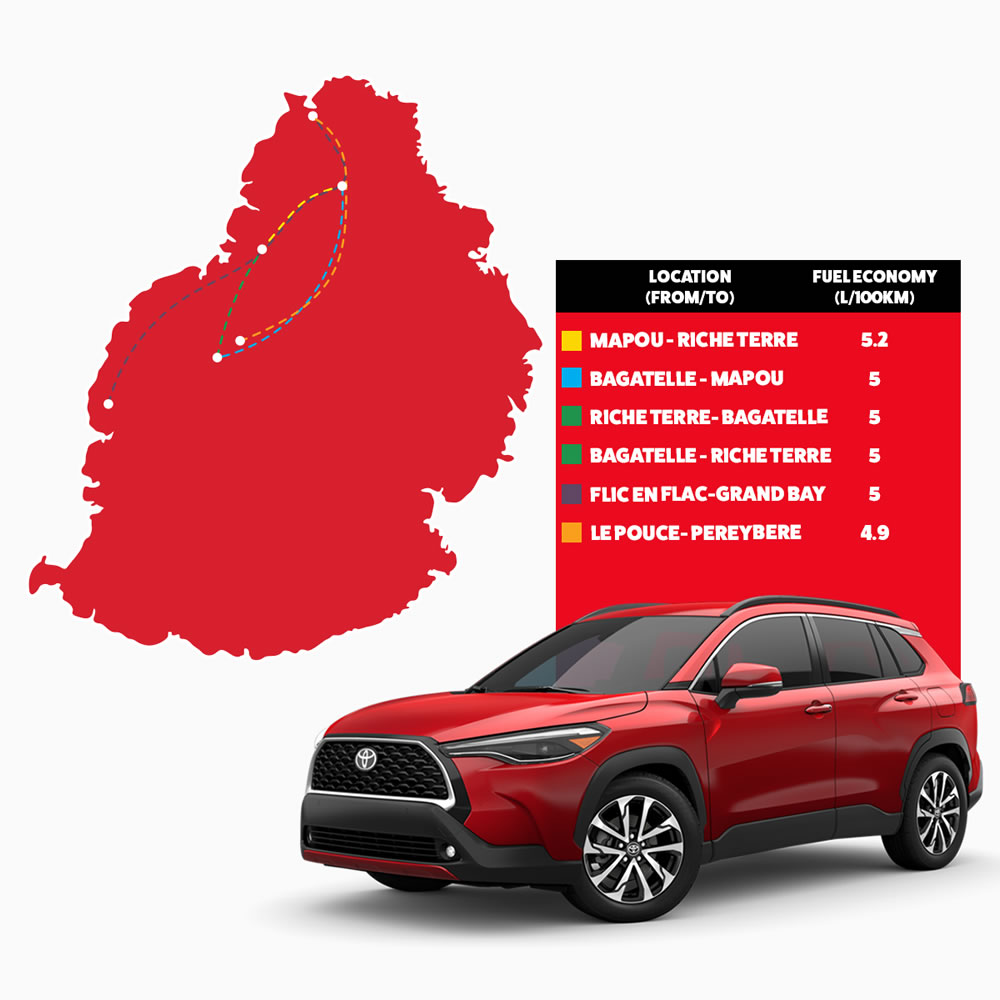
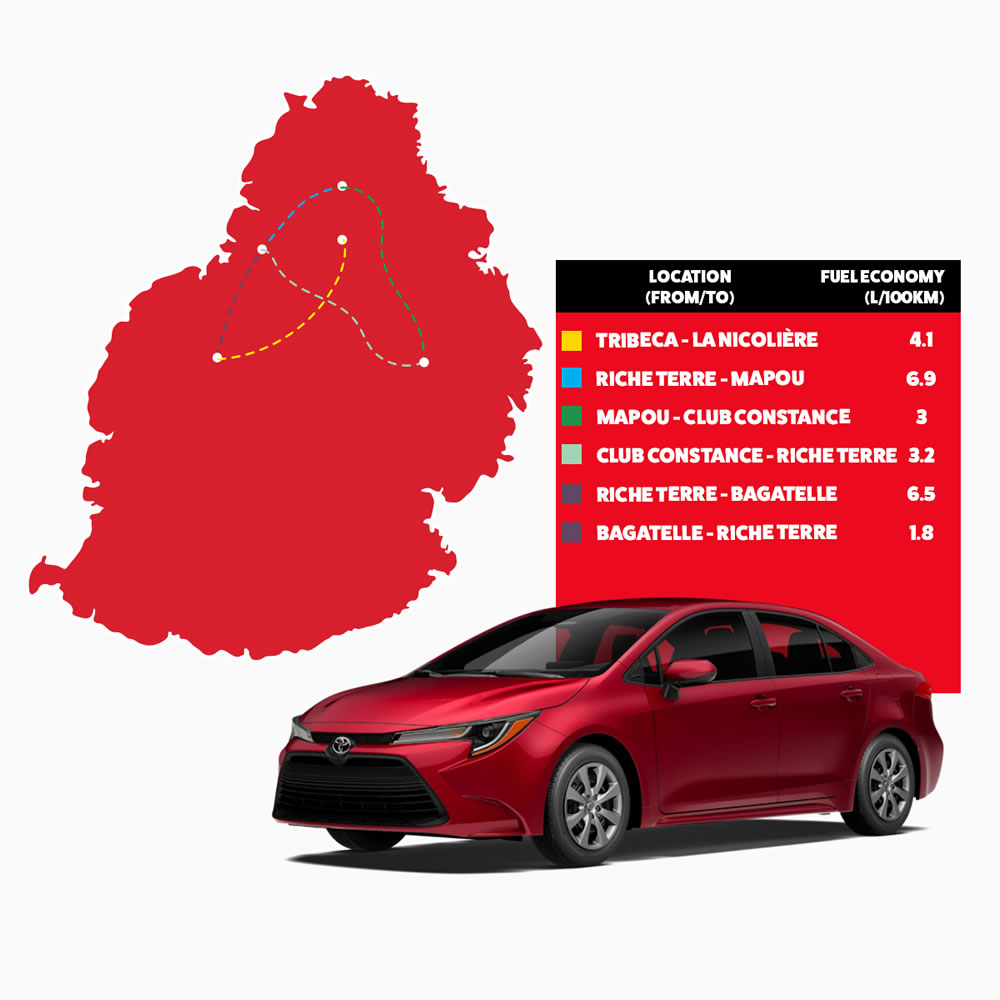
Toyota (Mauritius) Ltd, along with its research and innovation team, conducted a study excellent fuel economy.to test the fuel consumption and hybrid efficiency of its two best-selling models, the Corolla Sedan and the Corolla Cross. The study measured fuel consumption in liters per 100 kilometers and found that the Corolla Cross averaged 5.02L/100km, while the Corolla Sedan averaged 4.25L/100km. Overall, the hybrid versions of these cars demonstrated superior fuel efficiency, with an average consumption of 4.89L/100km, showcasing excellent fuel economy.
Toyota is committed to eliminating CO2 emissions, aiming for full carbon neutrality by 2050. This goal underscores Toyota's dedication to environmental sustainability and its efforts to reduce the ecological impact of its operations and products.
Achieving carbon neutrality involves balancing CO2 emissions with removal efforts or offsets. Toyota is investing heavily in renewable energy sources and enhancing the efficiency of its manufacturing processes to minimize its carbon footprint. This strategic focus is a crucial part of Toyota's broader sustainability initiatives.
Hybrid technology is central to Toyota's efforts to achieve its environmental goals. By combining an internal combustion engine with an electric motor, Toyota's hybrid vehicles reduce fuel consumption and CO2 emissions. These fully hybrid vehicles are designed to operate efficiently, especially in urban settings where emissions can be significantly reduced.
Toyota's lineup of fully hybrid vehicles is pivotal in its journey toward carbon neutrality. These vehicles offer the benefit of reduced emissions without compromising on performance or convenience. By advancing hybrid technology, Toyota is making substantial progress in its mission to create a more sustainable future.
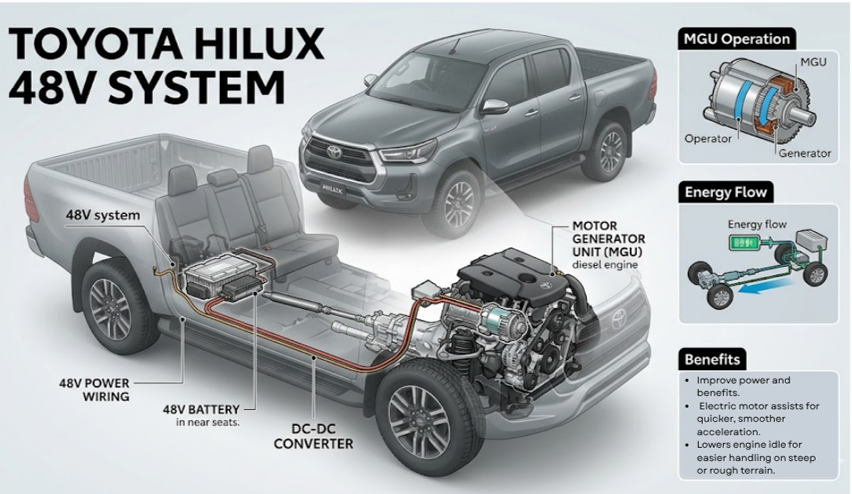
The Technology: The MHEV system integrates a compact 48V motor-generator with the engine’s belt system. This motor assists the engine during high-load periods and allows for an advanced "Stop-Start" function that shuts the engine off earlier when coasting to a stop, quickly and silently restarting it when needed.
The Mauritian Advantage:
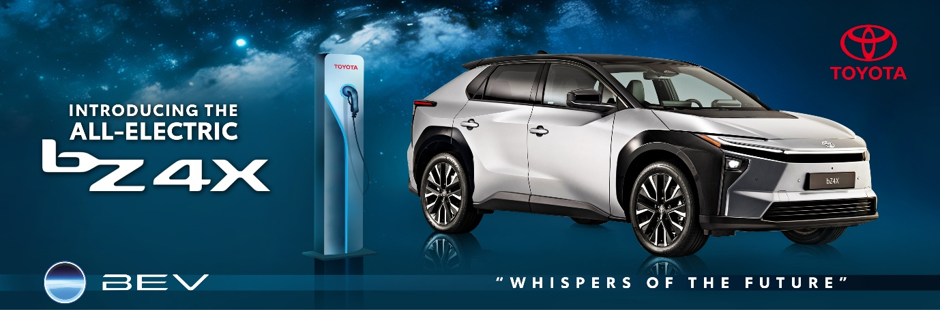
BEV | Battery Electric Vehicle
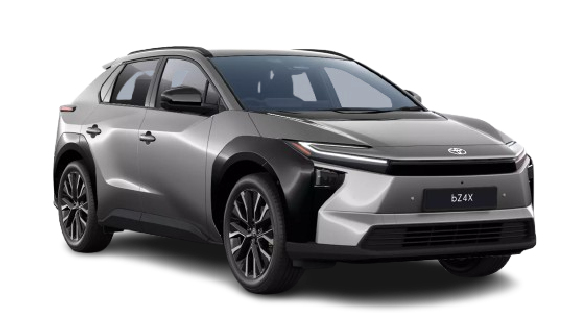
The Technology: The Battery Electric Vehicle (BEV) is propelled solely by powerful electric motors drawing energy from a high-capacity lithium-ion battery pack. With no internal combustion engine, no gearbox, and no exhaust, the Toyota bZ4X delivers a linear, high torque driving experience.
The Mauritian Advantage:
Low Maintenance: With fewer moving parts than traditional vehicles, BEVs offer significantly reduced long-term servicing costs, providing an elegant and economical ownership experience
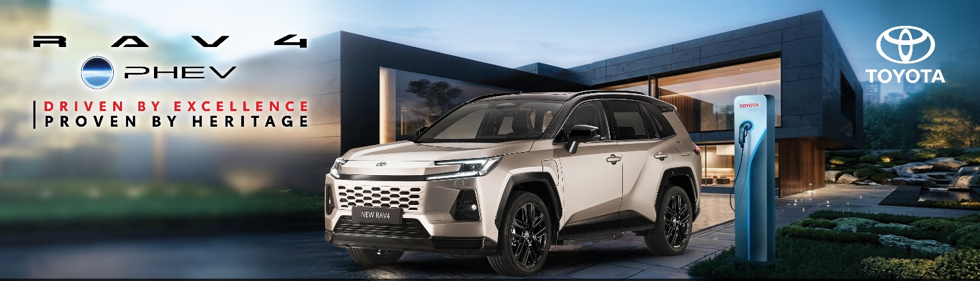
PHEV | Plug-in Hybrid Electric Vehicle
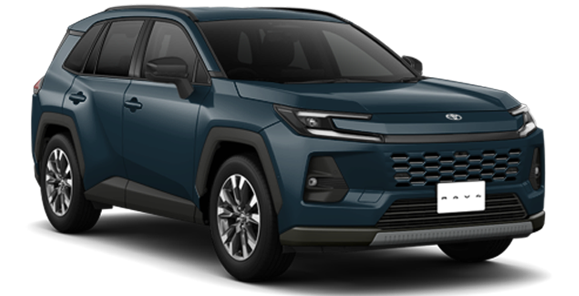
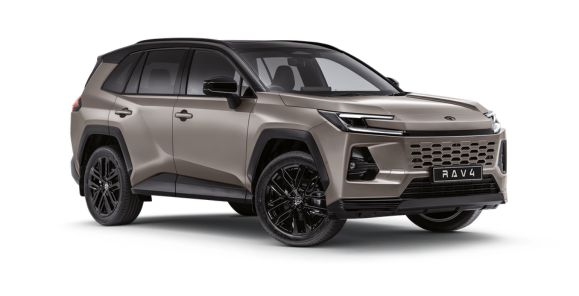
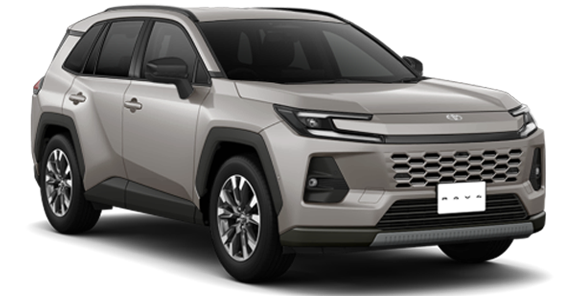
Technology: The Plug-in Hybrid Electric Vehicle (PHEV) combines a petrol engine with one or more electric motors and a larger high-capacity lithium-ion battery pack than a conventional hybrid. The Toyota Rav4 PHEV can be recharged by plugging into a standard household outlet, workplace charger, or public charging point (in addition to regenerative braking and the engine). When charged, it prioritizes pure electric (EV) mode for quiet, zero-tailpipe-emission driving on everyday journeys. Once the battery is depleted or extra power is needed, it seamlessly switches to efficient hybrid operation, blending petrol and electric power so you never face range limitations.
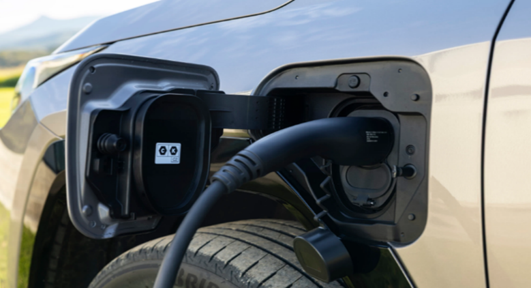
The Mauritian Advantage:
Lower Emissions & Practical Sustainability: Pure EV mode produces zero local tailpipe emissions for routine trips, supporting Mauritius’s renewable-energy and decarbonisation goals. The dual powertrain also means lower overall fuel use, reduced servicing needs compared with conventional petrol cars, and the peace of mind of a proven Toyota hybrid system that works even if charging is not always convenient.
Feature | HEV | MHEV | PHEV | BEV |
Power Source | Petrol + Electric | Petrol/Diesel + 48V Motor | Petrol + Electric (Larger Battery) | 100% Electric |
Charging | Regenerative | Self-Charging | Plug-in & Regenerative | Plug-in charging |
Electric-Only Driving | Yes (Short distances at low speeds) | No (Motor only assists the engine) | Yes (Typically 20–50 miles) | Yes (100% of the time) |
Emissions | Low | Reduced | Ultra-Low (Zero in EV mode) | Zero |
Running Costs | Low | Medium-Low | Very Low (When charged regularly) | Lowest |
Purchase Price | Moderate | Lowest entry cost | Higher | Highest entry cost |
Weight & Space | Moderate impact | Minimal impact | Higher impact (Heavy battery packs) | Highest impact (Large floor battery) |
Ideal For | City & Highway | Work & Utility | Commuters with Charging Access | Eco-Conscious Urbanites |

Copyright 2026 - Toyota (Mauritius) Ltd.
For any Enquiries & Requests ?
(230) 800 1548 TOYOTA
TOLL FREE